Anusurja is Bangladesh's only unified platform for academic research, creative literature, digital humanities, and independent cinema — publishing knowledge in every form it takes.
Academic Wing
Academic Publications from South Asia
মানুষের ‘সামষ্টিক অবচেতনে’ হাজার বছরের মিথ-পুরাণের ঐতিহ্য লুকিয়ে থাকে। ঋত্বিক ঘটক সভ্যতার ইতিহাস আর নিজস্ব সংস্কৃতি-ঐতিহ্যের কর্ষনের মধ্য দিয়ে পৌঁছাতে চেয়েছেন সেই মিথ পুরাণের কাছে। দেশভাগজনিত যন্ত্রণাবোধকে সিনেমায় ধারণ করতে গিয়ে নারীর শক্তির আশ্রয় নিয়েছেন বারবার। পুরাণের উমা, গৌরী, সীতা তার সিনেমায় বিদ্রোহী বেশে উপস্থিত হয়েছে। মাতৃপ্রতিমার রূপকল্পে নিজের দেশমাতার কাছেই ফিরে যাবার আকুতি প্রকাশিত হয়েছে। গ্রেট মাদার ইমেজ কে তিনি দ্বিখণ্ডিত বাংলার মিলনের আশাবাদের প্রতীকে তুলে ধরেছেন। তাঁর সিনেমায় বিশেষত মেঘে ঢাকা তারা, কোমল গান্ধার, সুবর্ণরেখায় নীতা, অনসূয়া, সীতার মধ্য দিয়ে পুরাণের চরিত্রকে সমকালীন করে তুলেছেন। এছাড়া তিতাস একটি নদীর নাম এবং যুক্তি তক্কো আর গপ্পো তেও নারীকে এনেছেন শক্তির প্রতীকে। মাতৃপ্রতিমা আর পুরাণের মধ্য দিয়ে অতীতকে বর্তমানের সাথে মিলিয়েছেন আর যেখান থেকে আস্থা রেখেছেন ভবিষ্যতে। মূল শব্দ: মাতৃপ্রতিমা, লোক-পুরাণ, কালেক্টিভ আনকনশাসনেস, উমা-গৌরী, দেশভাগ, Female Trinity
এই প্রবন্ধটি বাংলাদেশের নারী চলচ্চিত্র নির্মাতাদের দৃষ্টিতে নারীর জীবন, অভিজ্ঞতা ও বাস্তবতার উপস্থাপনাকে অনুসন্ধান করে। চলচ্চিত্র শিল্পে বিদ্যমান পিতৃতান্ত্রিক ও পুঁজিবাদী কাঠামোর কারণে ঐতিহাসিকভাবে নারীদের প্রান্তিক করে রাখা হয়েছে কিংবা কেবল অলঙ্কার বা ভুক্তভোগী হিসেবে দেখানো হয়েছে। এর বিপরীতে, নারী নির্মাতারা তাদের চলচ্চিত্রে পাল্টা আখ্যান (counter-narrative) তৈরির চেষ্টা করেছেন। গুণগত আধেয় বিশ্লেষণ (Qualitative Content Analysis) ও আখ্যানবিদ্যা (Narratology) পদ্ধতির মাধ্যমে এই গবেষণায় শামীম আখতার, ফৌজিয়া খান এবং নার্গিস আকতারের মতো নির্মাতারা কীভাবে ক্ষমতার কাঠামোর ভেতরে থেকে নারীর বাস্তবসম্মত চিত্র তুলে ধরছেন, তা পর্যালোচনা করা হয়েছে। লরা মালভির নারীবাদী চলচ্চিত্র তত্ত্ব এবং বেটি ফ্রাইডেনের নারীবাদী চিন্তাধারাকে তাত্ত্বিক কাঠামো হিসেবে ব্যবহার করে নির্বাচিত কাহিনিচিত্র ও প্রামাণ্যচিত্রগুলো বিশ্লেষণ করা হয়েছে। গবেষণায় দেখা যায় যে, নারী নির্মাতারা নারীর 'অনাবিষ্কৃত জগত' উন্মোচনে উল্লেখযোগ্য ভূমিকা রাখলেও, তারা এখনো মূলধারার শিল্প-কাঠামোর প্রভাব ও সীমাবদ্ধতার মধ্যে কাজ করছেন। প্রবন্ধটি পরিশেষে এই বিষয়ের ওপর জোর দেয় যে, প্রথাগত ছাঁচ ভেঙে নারীর অস্তিত্বের গভীরতাকে ফুটিয়ে তোলার জন্য নারী নির্মাতাদের আরও স্বতন্ত্র নান্দনিক ও ভাষাশৈলী—বা ‘কাউন্টার সিনেমা’—বিকাশের প্রয়োজন রয়েছে। মূলশব্দ: নারী চলচ্চিত্র নির্মাতা, বাংলাদেশ চলচ্চিত্র, নারীবাদী চলচ্চিত্র তত্ত্ব, আখ্যানবিদ্যা (ন্যারেটোলজি), উপস্থাপন, কাউন্টার সিনেমা।
This paper critically analyzes Shubhashish Sinha’s play ‘Bhanubil’ as a significant contribution to the theatrical history of peasant resistance in Bangladesh. Moving beyond the dominant Bengali-centric narratives, the study focuses on the overlooked 1935 Manipuri peasant rebellion in Bhanubil. Drawing on the theoretical framework of Subaltern Studies, as articulated by Antonio Gramsci, Ranajit Guha, and Gayatri Chakravorty Spivak, this research argues that ‘Bhanubil’ functions as a “counter-history.” It challenges conventional historical accounts by giving voice to the marginalized Manipuri community and their multi-layered struggles against historical-geographical displacement, economic-political exploitation, and cultural-linguistic suppression. This paper employs a qualitative research methodology, utilizing critical theatrical analysis to examine Shubhashish Sinha's play ‘Bhanubil.’ The paper examines how the play’s use of language—contrasting the landlords’ hegemonic Bengali with the Manipuris’ native Bishnupriya Manipuri—symbolizes the power dynamics and cultural resistance. It further demonstrates that the rebellion was not merely an economic protest against oppressive taxation and forced labor but a profound struggle for a unique cultural identity and existence. The analysis highlights how the rebellion united both Hindu and Muslim Manipuri communities, as well as men and women, against a common oppressor, underscoring its broad, inclusive nature. Furthermore, the study explores how the play’s use of folk theatre techniques, music, and dance serves to preserve and present this oral history, making it a compelling and relevant document for contemporary discussions on marginalization and cultural preservation. By analyzing the play's narrative and theatrical techniques, this study concludes that ‘Bhanubil’ is a powerful theoretical statement, proving that the subaltern can indeed speak through their own cultural and artistic mediums. The research asserts that this theatrical work ensures the rightful place of the Manipuri rebellion in historical discourse, moving it from the margins to the mainstream and providing a model for understanding similar struggles of oppressed communities worldwide. Keywords: Subaltern Studies, Peasant Resistance, Colonial Exploitation, Manipuri Rebellion, Cultural Identity, Theatrical Narrative, Counter-History, Bishnupriya Manipuri, Bengali Theatre, Post-colonialism
Creative Wing
Literature Journal for Poetry, Fiction, Essay, Critique, and Creative Arts
Novel
‘এমন যদি হয় পৃথিবীর সব মানুষ একসাথে ঘুমিয়ে গেল। সব বলতে একেবারে সব। কেউ কোথাও জেগে নেই। কারো কোন কাজ নেই। সবাই ঘুমোচ্ছে। এমনকি দিনের আলোরও পরোয়া করছে না। এরপর সবাই একসাথে স্বপ্ন দেখা শুরু করলো। স্বপ্নে এমন দেখা শুরু করলো যে তাদের যার যা করার কথা ছিল তাই করছে।’ এ পর্যন্ত ভেবে আমি হা হা হা করে উচ্চস্বরে হেসে উঠলাম। দেখলাম রাস্তার অনেকেই আমার দিকে তাকাচ্ছে। আমি চুপ মেরে গেলাম। তবে ভাবতে লাগলাম। মনে হল, ‘এর পর আর কেউ ঘুম থেকে জেগে উঠলো না। তারা স্বপ্নই দেখতেই লাগলো। দিনের পর দিন কেটে গেল, যুগের পর যুগ।’ এ ভাবতে ভাবতে হাসতে লাগলাম। খুব ভাল লাগছে। ইচ্ছে হলো আরও কিছু ডালপালা ছড়ানো যাক। কিন্তু তাতে ব্যাঘাত ঘটলো। হঠাৎ কে যেন আমার কাঁধে হাত রাখলো। আমি পেছন ফিরে তাকাতেই তিনজন লোক আমাকে ঘিরে ধরলো। এমন যে যদি আমি দৌড়াতে চেষ্টা করি। ভাবলাম, আজ তো আমার কাছে ভাল পরিমান টাকাই আছে। তবে চাইলেই দিয়ে দেবো। অন্তত এ বলবো না যে, আমি কাদেরের জন্য টিভি কিনতে যাচ্ছি। টাকাটা এখন দেয়া যাবে না। কিন্তু লোকগুলো টাকা চাওয়ার পরিবর্তে আবদার করলো আমাকে তাদের সাথে যেতে হবে। এটাকে আমার কাছে সাধের আবদারই মনে হল। বলা নেই কওয়া নেই এসে বললো আমাকে যেতে হবে। তবে তা আমাকে খুব বেশি একটা অখুশি করতে পারলো না। আমি বললাম, চলুন, কোথায় যেতে হবে। তবে টাকা চাইলে এখানেই দিয়ে দিতে পারি।
Every purchase directly sustains our independent editorial operations.
Cinema Wing
Independent Cinema, Moving Image, New Media and Criticism
'Nature, Color & Poetry' is a sensory immersion into the shifting rhythms of the Bengal landscape, where the interplay of light and color serves as the primary language of human existence. The documentary moves beyond mere observation, evolving into a poetic journey of transformation that traces the dawn-to-dusk cycle of an agricultural community deeply rooted in its environment. The film begins with the gentle awakening of the earth—the silver mist of morning and the golden emergence of the first ray. We follow the domestic and agrarian rituals of the people, not as laborers, but as participants in a natural choreography. As the sun ascends, the visual palette transforms from the soft pastels of dew-laden pastures to the shimmering mercury of the river at noon. As a formal experiment in capturing time within space, the documentary utilizes a unique treatment: layering the asynchronous sounds of daily activities over static, painting-like compositions. This technique invites the audience to experience lives and moments audibly while the visual remains suspended, creating a lyrical synthesis of man and nature. It is a tribute to the 'endless sky' and a reflection on how the unadorned beauty of rural Bengal provides the ultimate inspiration for the poetic soul, transforming the mundane into the monumental.
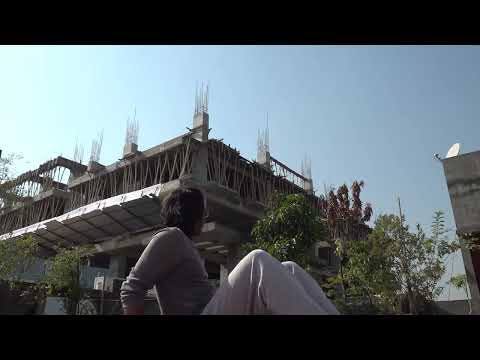
‘The Horizon is a Wound’ is a personal cinematic reflection on the vanishing sanctuary of the outskirts of Dhaka. Shot entirely from the director's window, balcony, and rooftop, the film captures the relentless expansion of a city that consumes the very peace its residents seek. The film’s narrative engine is the ‘unbearable noise’—a constant, rhythmic industrial violence that marks the beginning of every day. What was once a journey toward a quiet suburban life has transformed into a front-row seat to the demolition of the horizon. Through a series of observational frames, the documentary explores the irony of modern dwelling: the director’s own home, which once offered comfort, now stands as a barrier that ruined the view for another, just as the new skeletal structures outside now cage his own perspective. Moving beyond a mere complaint about urban noise, the film delves into an existential duality. The camera gazes upon the construction workers not as invaders, but as figures of shared struggle, finding a strange, melancholic comfort in their presence amidst the chaos. By focusing on the textures of rising concrete against the fading sky, the documentary portrays the ‘Here and Now’ as a transitional space where silence is a luxury and the horizon is a memory in the making.
To make discourse and imagination visible — especially discourse produced at the margins, in languages, geographies, and disciplines that global publishing hierarchies routinely overlook — to empower independent creators.
Read the Full ManifestoSign in or create an account.